
Aged Bordeaux Serving Tips: Serving Aged Bordeaux Wines Correctly

Updated: Apr 21
There’s something magical about opening a bottle of aged Bordeaux. The anticipation, the aroma, the complex flavours that have developed over decades - it’s a moment to savour. But here’s the catch: serving aged Bordeaux wines correctly is an art in itself. Pour it too soon, and you might miss out on the full experience. Leave it too long, and the wine could lose its charm. So, how do you get it just right? Let’s dive into the world of aged Bordeaux and uncover the secrets to serving these treasures perfectly.
Why Serving Aged Bordeaux Wines Correctly Matters
Aged Bordeaux wines are delicate creatures. Unlike younger wines, they have evolved over time, developing subtle aromas and flavours that can be easily overwhelmed or lost if not handled properly. Serving them at the right temperature, using the right glassware, and allowing them to breathe can make all the difference between a forgettable sip and a memorable tasting experience.
Think of it like this: you wouldn’t serve a vintage car without a little TLC, right? The same goes for your aged Bordeaux. Getting the serving right honours the wine’s journey and lets you enjoy every nuance it has to offer.
Key reasons to serve aged Bordeaux properly:
Preserve delicate aromas: Older wines have fragile bouquet that can dissipate quickly.
Enhance flavour complexity: Proper serving brings out layers of taste.
Avoid unpleasant surprises: Incorrect temperature or aeration can make the wine taste flat or overly acidic.
Respect the investment: Aged Bordeaux is often a prized possession, so treat it with care.

Aged Bordeaux Serving Tips You Can’t Miss
Now, let’s get practical. Here are some tried-and-true tips to help you serve aged Bordeaux like a pro:
1. Temperature is everything
Aged Bordeaux should be served slightly below room temperature, ideally between 15-18°C. Too warm, and the alcohol might overpower the delicate flavours. Too cold, and the wine’s complexity gets muted. If your wine is stored in a cellar or fridge, take it out about 30-60 minutes before serving to let it warm up gently.
2. Decant with care
Decanting aged Bordeaux is a bit of a balancing act. The goal is to separate the wine from any sediment that has formed over the years without exposing it to too much air. Use a clean decanter and pour slowly, ideally in front of a light source so you can see when sediment reaches the neck of the bottle.
3. Choose the right glass
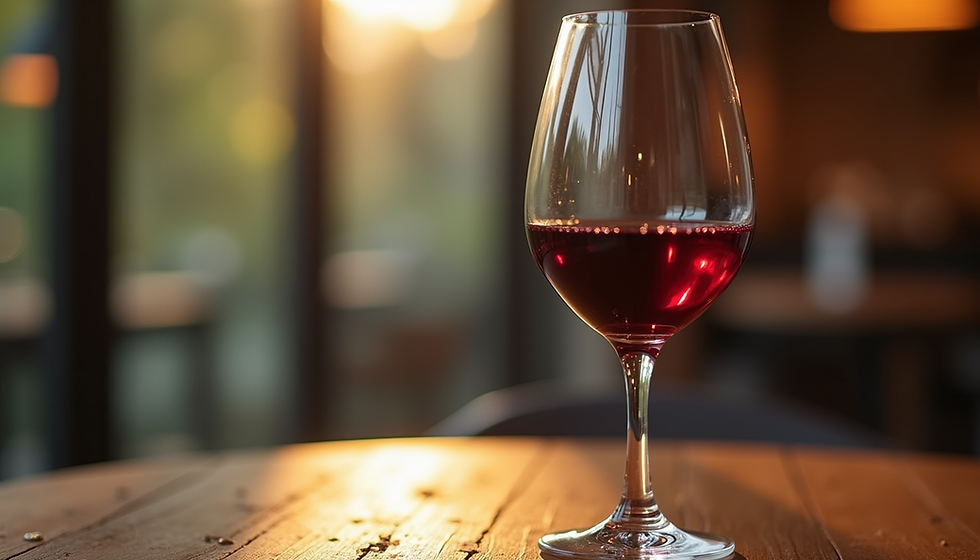
A large, tulip-shaped glass is perfect for aged Bordeaux. It allows the wine to breathe and directs the aromas to your nose. Avoid narrow glasses that restrict the wine’s expression.
4. Don’t rush the pour
Pour small amounts to start with. This lets you appreciate the wine’s evolution in the glass. You might notice the flavours opening up and changing as you sip.
5. Store leftovers properly
If you don’t finish the bottle, re-cork it tightly and store it in the fridge. Older wines don’t last as long once opened, so try to consume within 24 hours.
How to serve old Bordeaux?
Serving old Bordeaux is a bit different from younger wines. Here’s a step-by-step guide to get it right:
Inspect the bottle: Check the cork and fill level. A low fill or damaged cork might indicate spoilage.
Stand the bottle upright: Do this a day before serving to let sediment settle at the bottom.
Open gently: Use a two-prong cork puller if the cork is fragile to avoid crumbling.
Decant carefully: Pour slowly into a decanter, stopping when sediment appears.
Let it breathe briefly: Older Bordeaux usually needs less aeration - 20 to 30 minutes is enough.
Serve at the right temperature: Aim for 15-18°C as mentioned earlier.
Enjoy in small pours: This helps you savour the wine’s delicate profile.

The Role of Food Pairing with Aged Bordeaux
Serving aged Bordeaux wines correctly isn’t just about the wine itself - what you eat alongside it matters too. These wines have complex flavours that pair beautifully with rich, savoury dishes. Think classic French cuisine or hearty meats.
Here are some pairing ideas:
Roast lamb or beef: The tannins in Bordeaux complement the protein and fat.
Mushroom dishes: Earthy flavours match the wine’s tertiary notes.
Hard cheeses: Aged cheddar or Comté work well.
Duck or game birds: Their robust flavours stand up to the wine’s depth.
Avoid overly spicy or sweet dishes that can clash with the wine’s subtlety. Remember, the goal is harmony on your palate.
Storing Aged Bordeaux Before Serving
Before you even get to the serving stage, proper storage is crucial. Bordeaux wines age best in cool, dark, and humid conditions. If you’re lucky enough to have a wine cellar, that’s ideal. Otherwise, a wine fridge set to around 12-14°C with 70% humidity will do the trick.
Keep bottles lying on their side to keep the cork moist and prevent air from sneaking in. Avoid temperature fluctuations and vibrations, which can damage the wine’s delicate balance.
If you’re planning to serve a bottle soon, take it out of storage a day before and stand it upright to let sediment settle. This simple step makes decanting much easier and cleaner.
Wrapping Up Your Aged Bordeaux Experience
Serving aged Bordeaux wines correctly is a rewarding challenge. It’s about patience, attention to detail, and a bit of love for the craft. Whether you’re opening a bottle for a special dinner or sharing with friends, following these tips will elevate your experience.
If you want to dive deeper into the art of serving these wines, check out this handy guide on how to serve aged Bordeaux for more insights.
Remember, every bottle tells a story. Serve it well, and you’ll create memories worth toasting to.
Cheers to your next glass of aged Bordeaux!

Comments